 Standard/OE
Add Vehicle to Confirm Fitment
Select your vehicle to see compatible products and accurate pricing

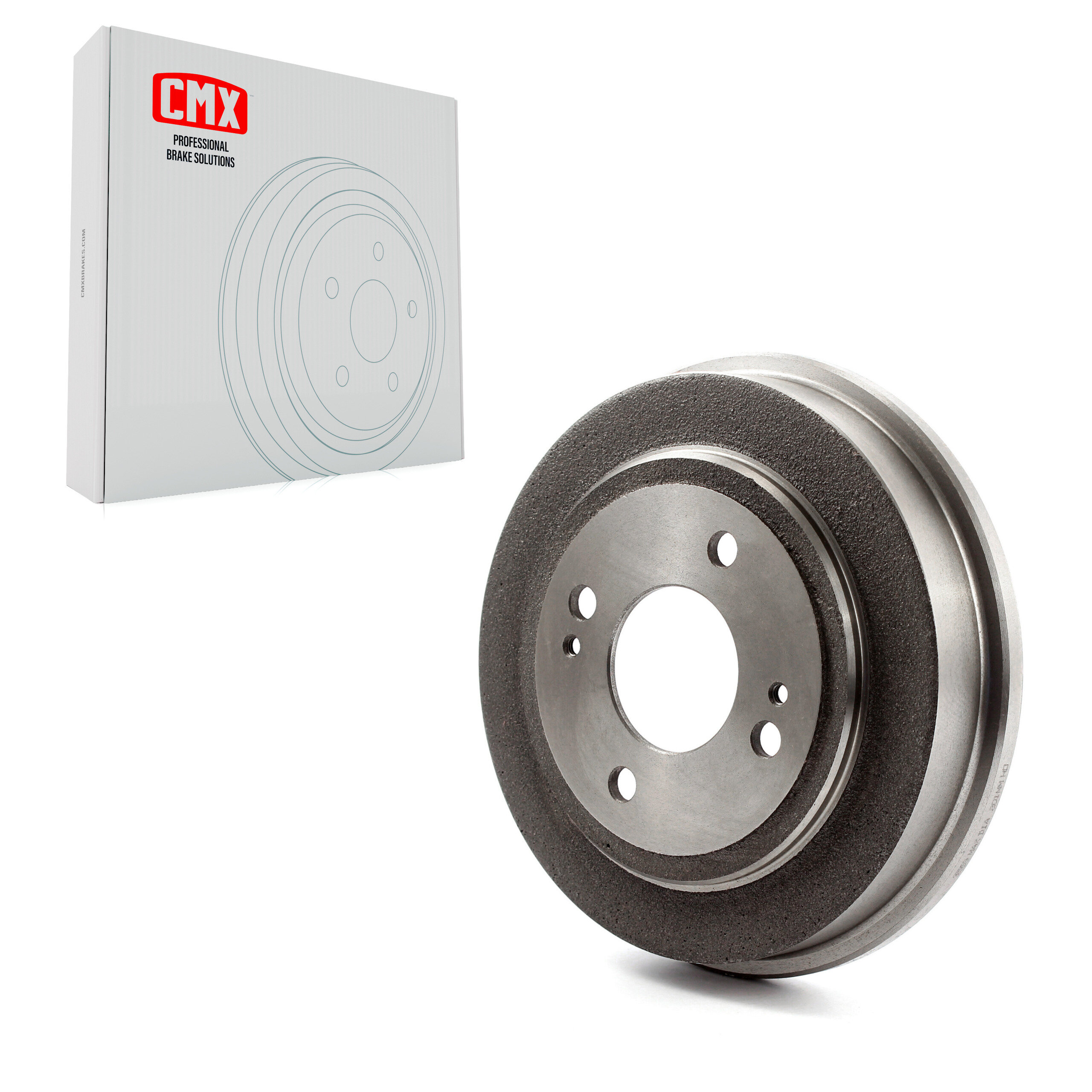
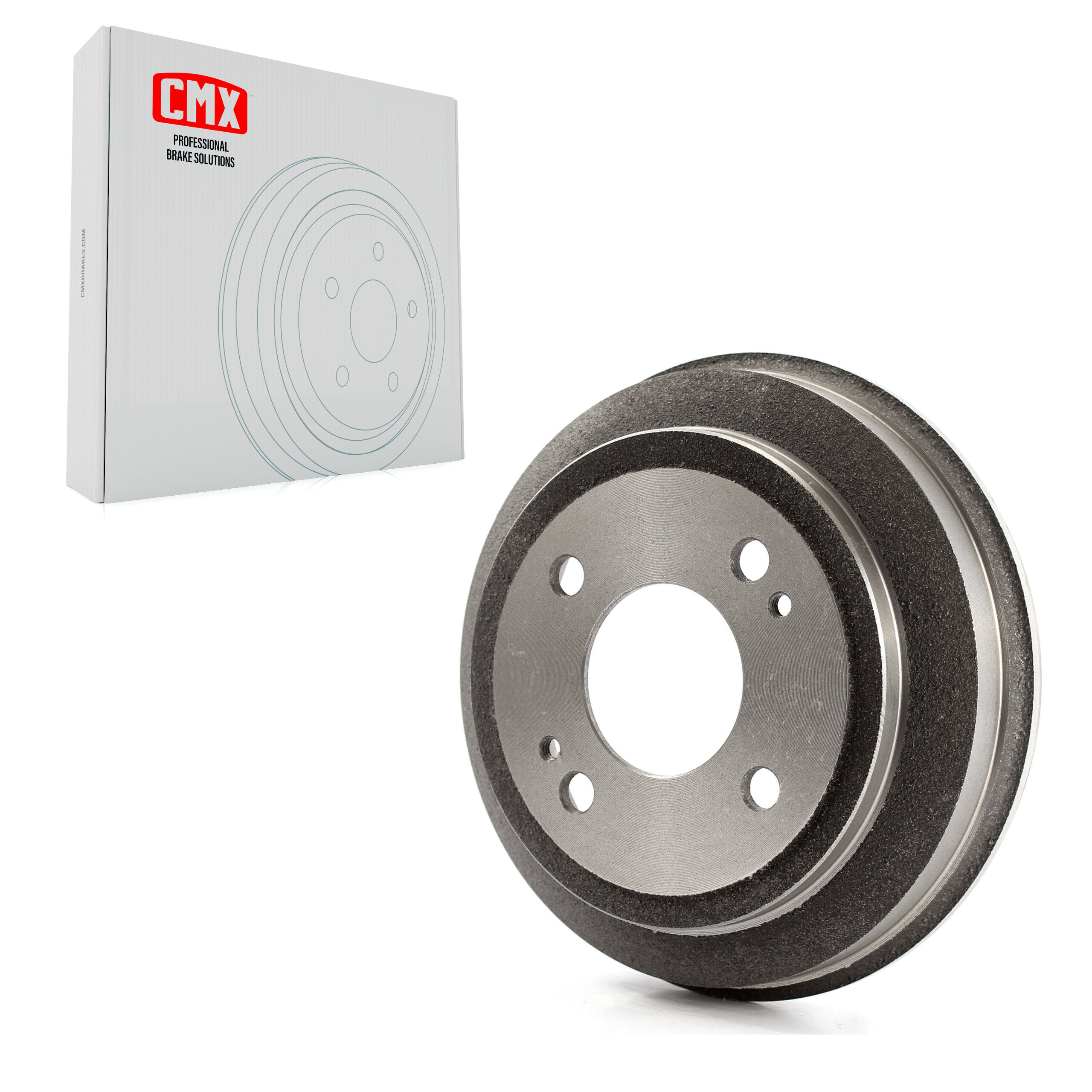
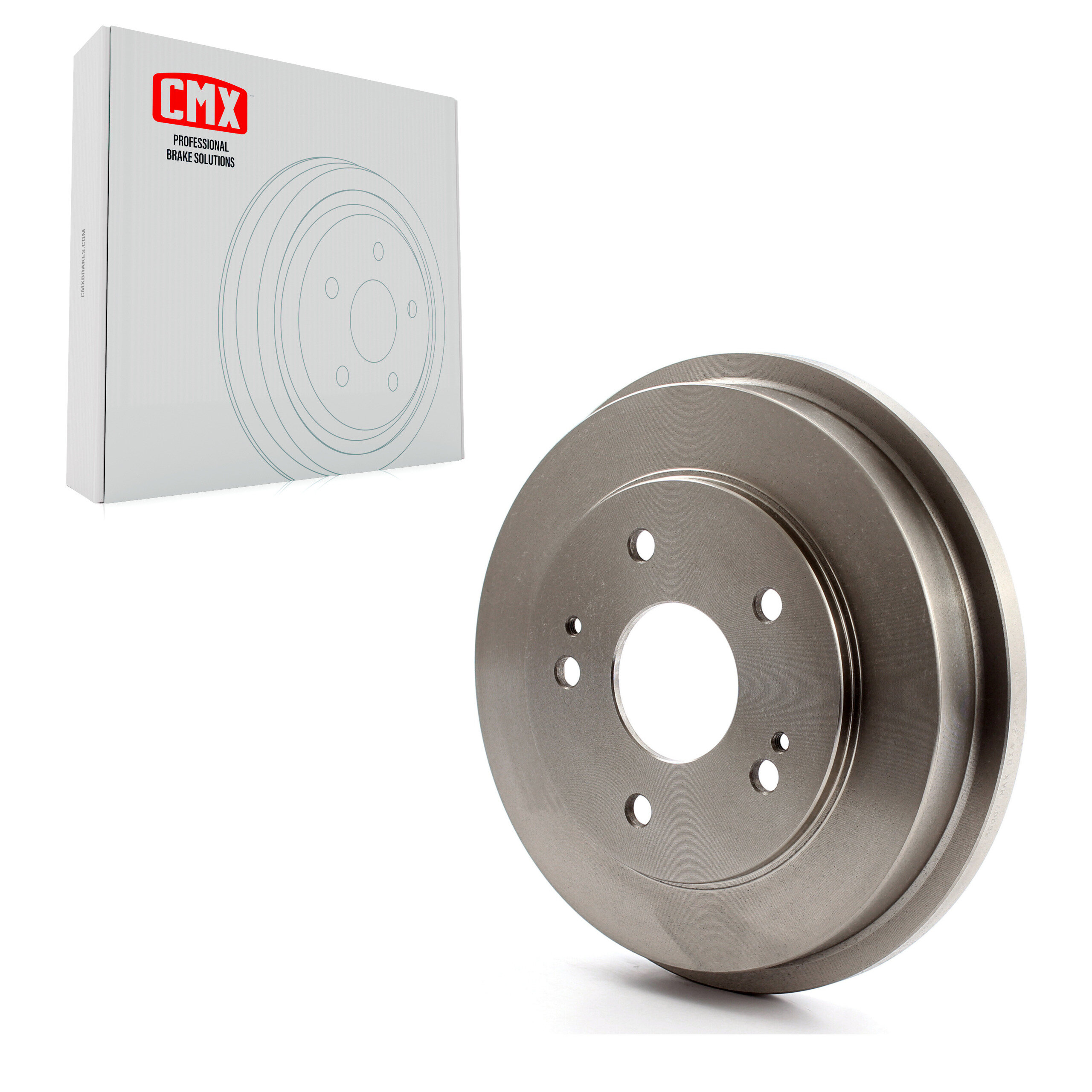
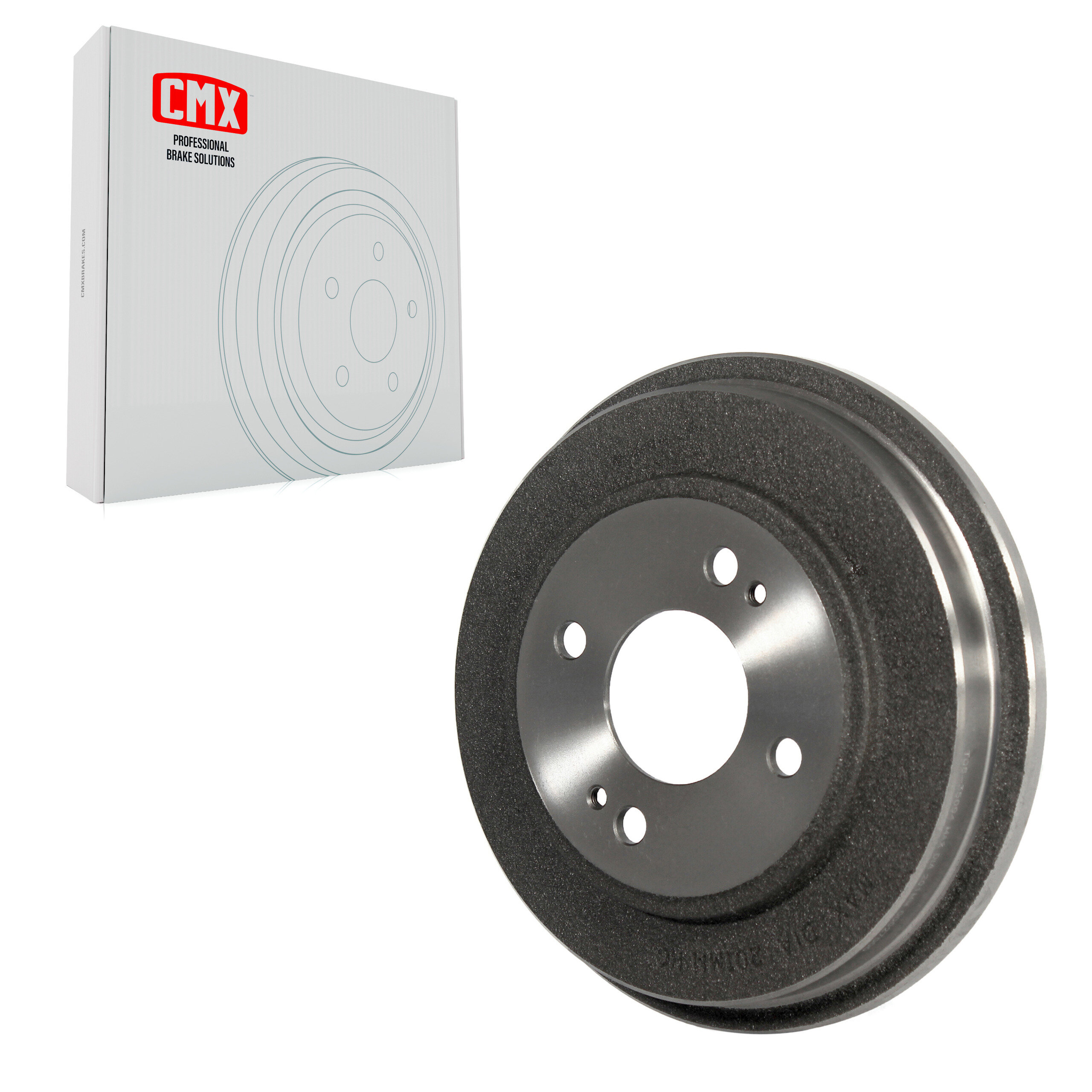
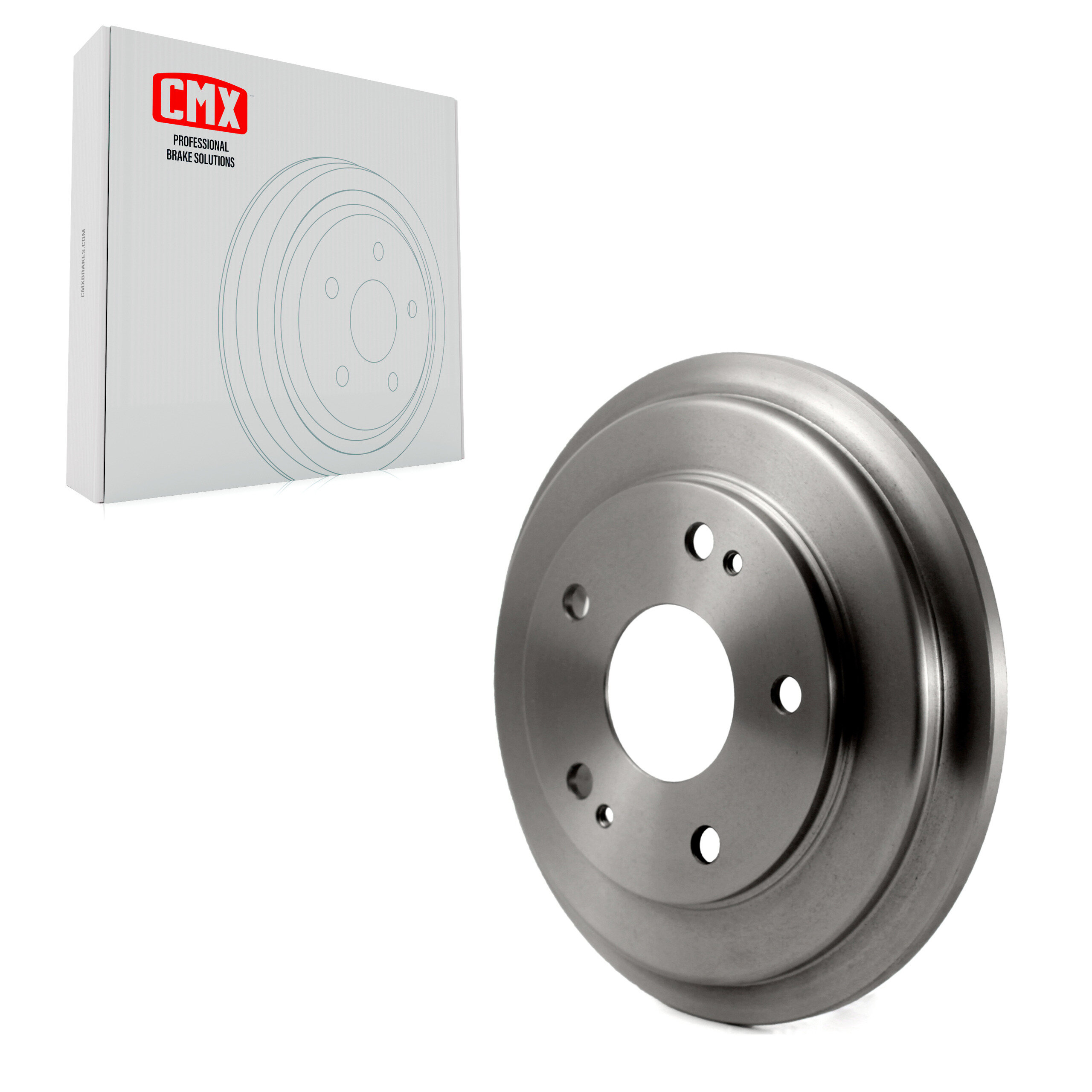
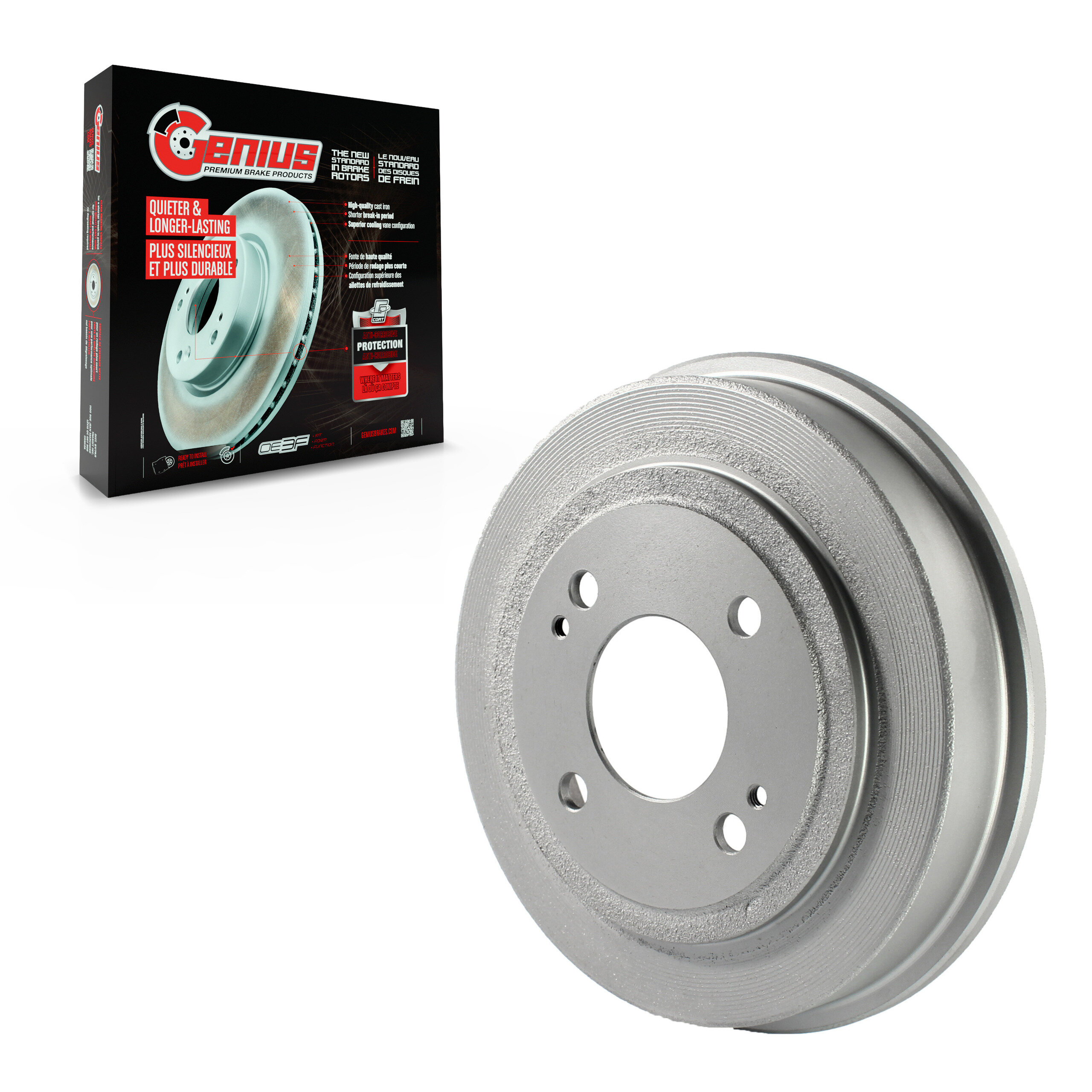
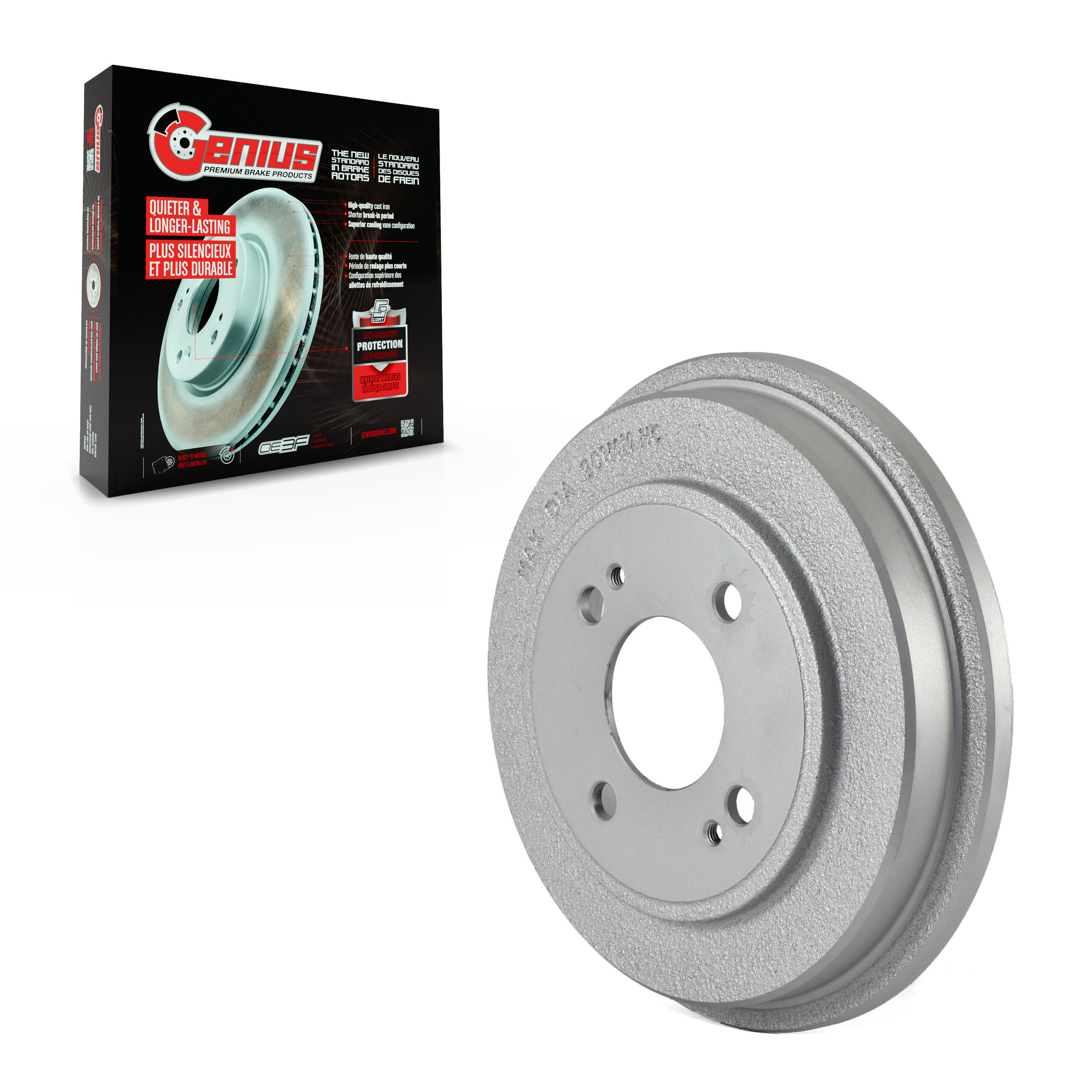
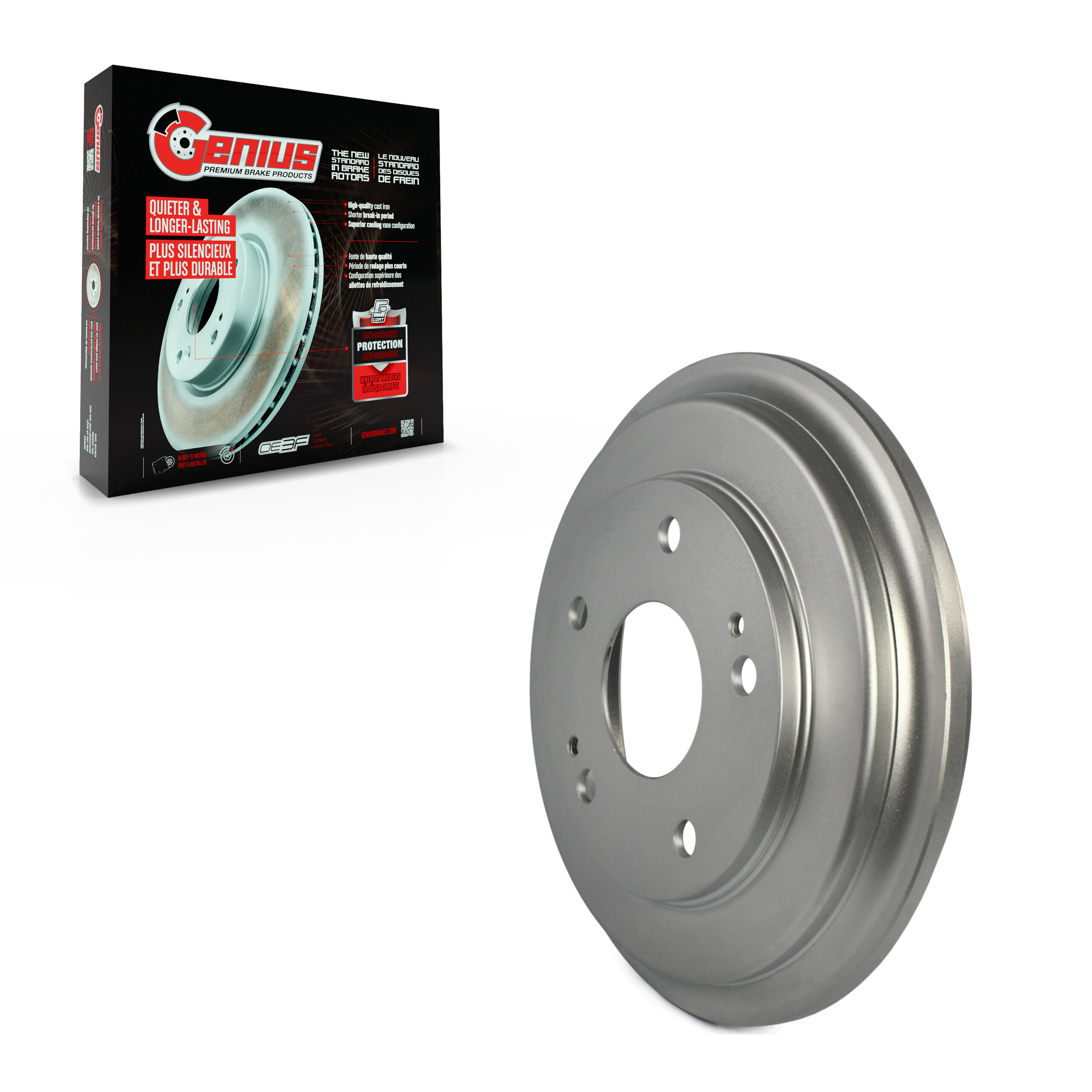
GeoBrakes stocks OEM-grade brake drums confirmed to fit the Honda Civic, the cast-iron components that form the friction surface for the Civic drum brake shoes. Available in standard and corrosion-coated configurations for your Civic, every drum is manufactured to the correct inner diameter, wall thickness, and surface finish for the Honda Civic
Standard/OESelect your vehicle to see compatible products and accurate pricing
 Standard/OE
Select your vehicle to see compatible products and accurate pricing
 Standard/OE
Select your vehicle to see compatible products and accurate pricing
 Standard/OE
Select your vehicle to see compatible products and accurate pricing
 Standard/OE
Select your vehicle to see compatible products and accurate pricing
 OE Premium
Select your vehicle to see compatible products and accurate pricing
 OE Premium
Select your vehicle to see compatible products and accurate pricing
 OE Premium
Select your vehicle to see compatible products and accurate pricing
The brake drum on the Honda Civic is the rotating cast-iron bowl that the Civic drum brake shoes press against to slow your vehicle. Mounted to the rear axle hub of your Honda Civic, it spins with the wheel and provides the friction surface that the shoes contact under braking. Unlike brake rotors, which can be visually inspected from outside the wheel on many Civic vehicles, Honda Civic brake drums fully enclose the shoe assembly, which means wear and damage often goes unnoticed until braking performance on the Honda Civic is noticeably affected.
Standard OEM-Grade Drums for the Honda Civic
Standard OEM-grade cast-iron drums for the Honda Civic are manufactured to the original equipment diameter, wall thickness, and surface finish specification for your Civic. They are the direct replacement for the factory Civic drum with no modification required.
Coated Brake Drums for the Honda Civic
Coated Honda Civic brake drums feature a corrosion-resistant coating applied to the external drum surfaces of your Civic, the hat section, outer wall, and wheel mounting face. Surface rust is a common issue on Honda Civic drum brake vehicles in US, particularly during periods of non-use in winter when moisture and salt collect inside the Civic wheel well. A coated drum on your Honda Civic resists surface rust that can transfer to the wheel mounting face, making future drum removal significantly easier at the next Civic brake service.
Honda Civic brake drum replacement requires matching the correct inner diameter, wall thickness, bolt circle, hub bore, and drum offset for your Civic. Errors in any of these dimensions produce incorrect shoe-to-drum clearance, uneven wear, and braking problems on the Honda Civic. Our vehicle selector eliminates those risks by confirming the correct drum for the Honda Civic exact year, make, model, and axle. Coated Civic drum options are available for vehicles with heavy salt exposure.
How long do brake drums last on a Honda Civic?
Honda Civic brake drums typically last 150,000 to 200,000 kilometres with periodic resurfacing, significantly longer than disc brake rotors on the Civic. Each resurfacing removes material from the Civic drum and reduces wall thickness. Once the Honda Civic drum reaches its maximum allowable inner diameter, it must be replaced rather than turned again.
Should I replace brake drums on my Honda Civic in pairs?
Yes. Replace both Honda Civic drums on the same axle to maintain balanced braking. Drums of different inner diameters on the Civic create uneven friction forces, causing the Honda Civic to pull to the fresher-drum side during braking.
Should I replace drums and shoes at the same time on my Honda Civic?
Yes, it is strongly recommended for the Honda Civic. New shoes on a scored or out-of-round Civic drum wear unevenly from day one. New Honda Civic drums with old shoes that have worn to match the old drum surface will contact the new bore incorrectly. Replacing both together on the Civic ensures proper break-in and maximum service life from both components.