 Standard/OE
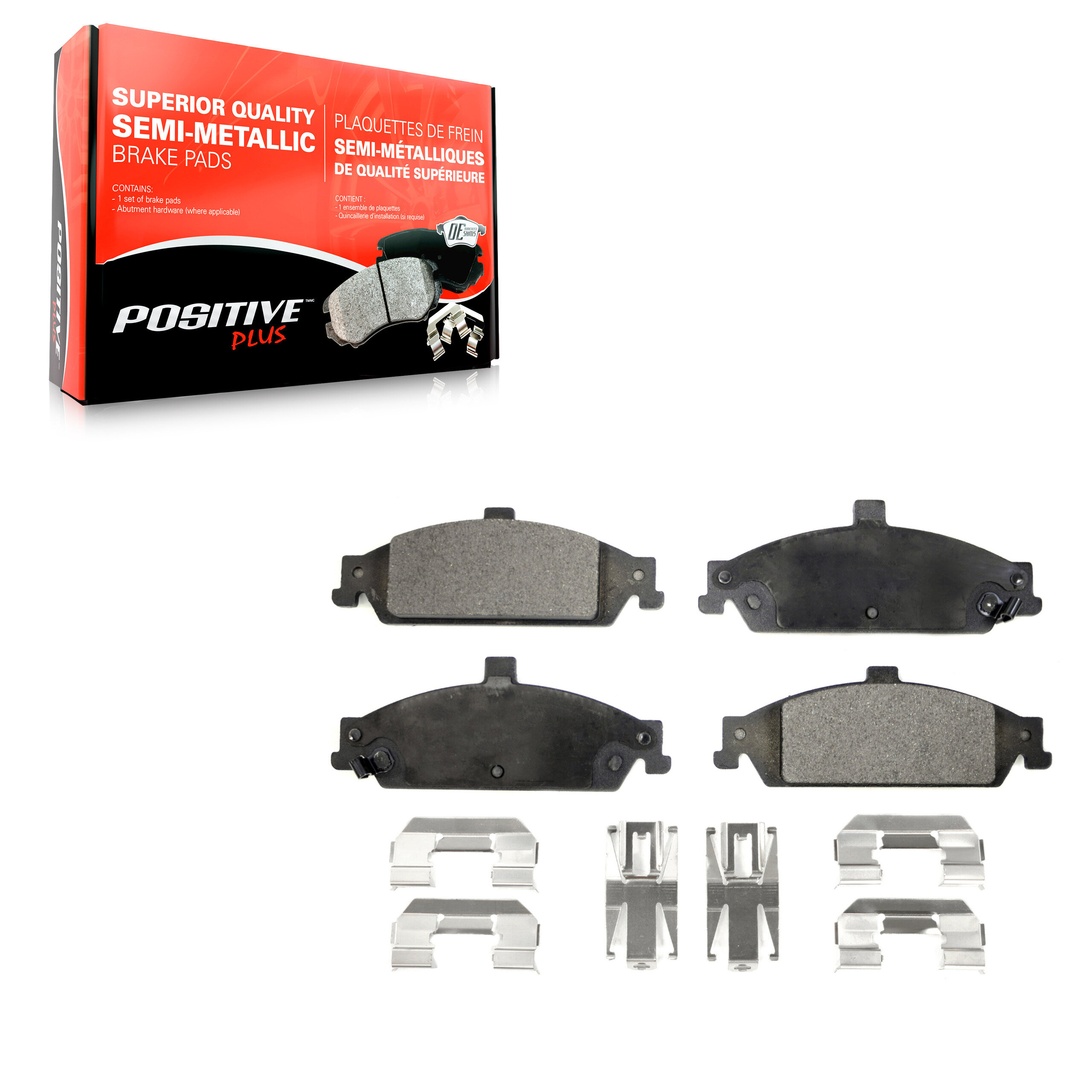
Positive Plus - PPF-D727 - Front Disc Brake Pad
Positive Plus
Add Vehicle to Confirm Fitment
Select your vehicle to see compatible products and accurate pricing

GeoBrakes stocks the widest selection of disc brake pads confirmed to fit the Chevrolet Classic, ceramic and semi-metallic formulations engineered for your Classic and every American driving condition, from sub-zero cold starts to mountain highway descents. Every Chevrolet Classic brake pad is sourced to OEM or better specifications.
Standard/OEPositive Plus
Select your vehicle to see compatible products and accurate pricing
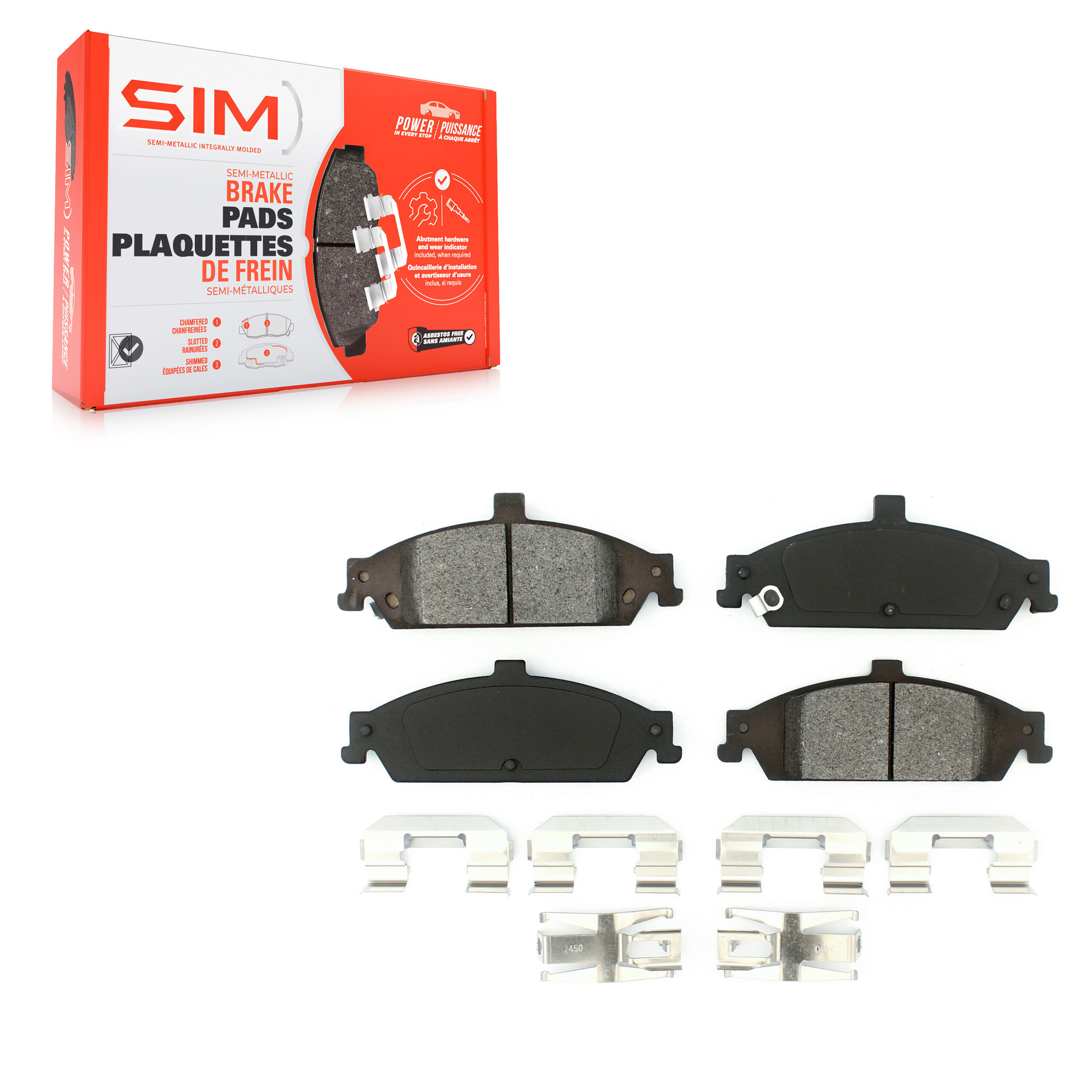 Standard/OE
Select your vehicle to see compatible products and accurate pricing
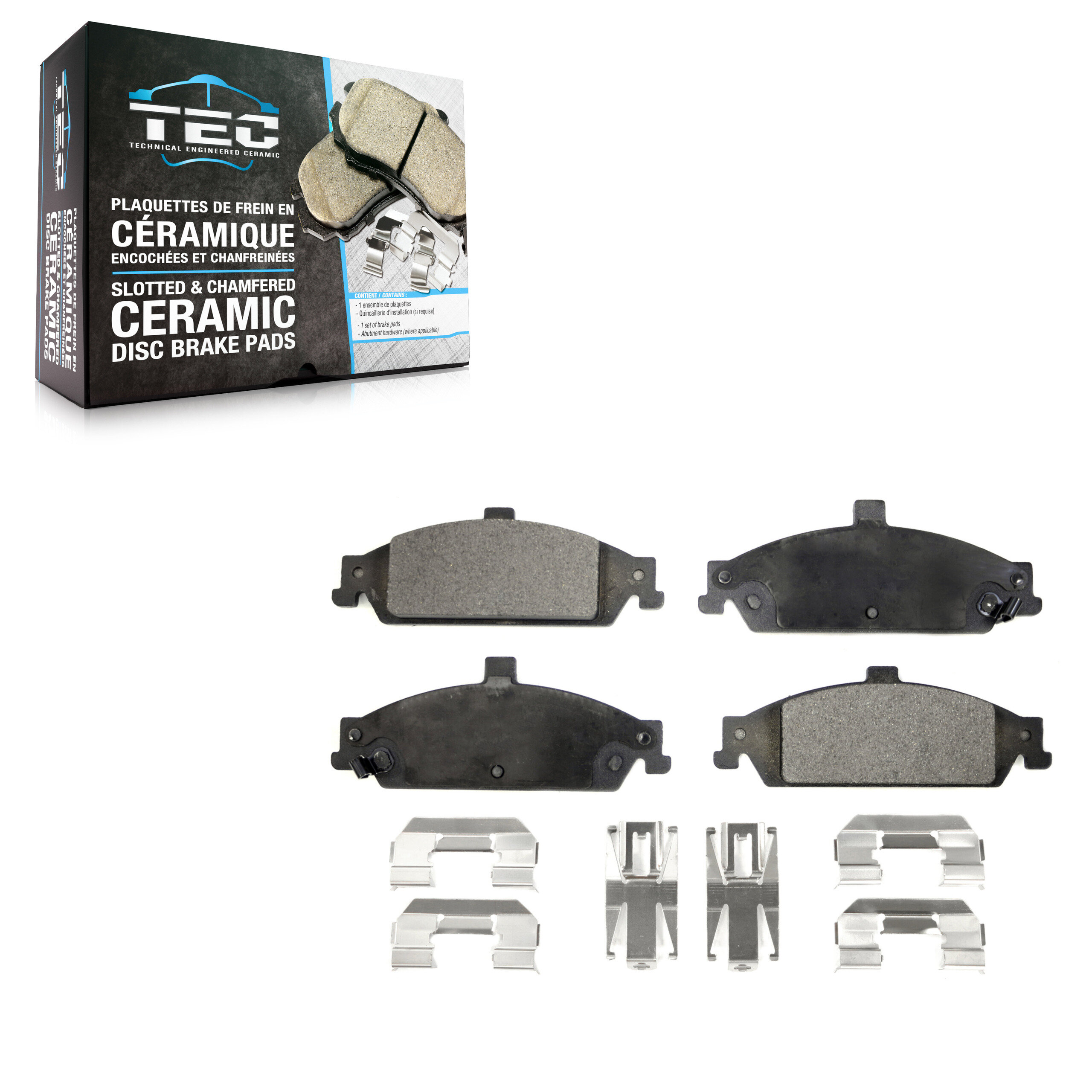 OE Premium
Select your vehicle to see compatible products and accurate pricing
Disc brake pads are the most frequently replaced component in your Chevrolet Classic braking system. The friction material your Classic calipers press against the rotor surface wears down with every stop, and the right pad formulation for your Chevrolet Classic, your driving style, and American climate directly affects your stopping distance, rotor lifespan, brake noise, and dust output.
A Chevrolet Classic disc brake pad is a steel backing plate bonded to a friction material compound. When you press the brake pedal on your Classic, hydraulic pressure forces the caliper pistons to squeeze the pads against the spinning rotor, converting kinetic energy into heat and slowing your Chevrolet Classic. The friction material wears gradually and must be replaced when it reaches the minimum safe thickness, typically 3mm, to maintain full stopping performance on your Classic.
Ceramic Brake Pads for the Chevrolet Classic
Ceramic pads are the premium everyday choice for most Chevrolet Classic drivers. Formulated from a dense ceramic compound, Classic ceramic pads maintain consistent friction effectiveness across a wide temperature range, including cold starts on your Chevrolet Classic at sub-zero temperatures. They produce minimal dust, run quieter in stop-and-go city traffic on the Classic, and are significantly gentler on Chevrolet Classic rotor surfaces than metallic alternatives.
Semi-Metallic Brake Pads for the Chevrolet Classic
Semi-metallic pads excel under sustained heat loads on the Chevrolet Classic. They are the preferred choice for Classic trucks and SUVs used for towing, and performance Chevrolet Classic vehicles where braking generates high sustained temperatures. Semi-metallic pads provide more aggressive stopping bite at high temperatures on your Chevrolet Classic, at the cost of slightly more noise and dust in everyday driving.
Our brake pad selection for the Chevrolet Classic is curated specifically for American road and climate conditions. Every ceramic pad confirmed for the Chevrolet Classic in our catalogue is evaluated for cold-weather friction effectiveness on your Classic, not just room-temperature lab specs. Brands including Akebono, EBC, and Raybestos are stocked as authorized retailer products for the Chevrolet Classic, meaning full manufacturer warranty and zero grey-market risk on every Classic purchase.
How often should I replace my Chevrolet Classic disc brake pads?
Most Chevrolet Classic brake pads last between 40,000 and 70,000 kilometres, but this varies based on driving style and conditions. American city driving tends to wear Classic pads faster than highway driving. Inspect Chevrolet Classic pads at every oil change and replace when friction material reaches 3mm or less.
Should I replace front and rear brake pads on my Chevrolet Classic at the same time?
Not necessarily. Front brakes on the Chevrolet Classic handle 60 to 70 percent of braking force and typically wear faster. Always replace pads as an axle pair on the Classic, both left and right on the same axle, to maintain even braking force.
Are ceramic or semi-metallic pads better for my Chevrolet Classic in American winters?
Ceramic pads are the better everyday choice for most Chevrolet Classic drivers. For Classic drivers who tow regularly or drive performance Chevrolet Classic vehicles, semi-metallic pads deliver superior stopping bite and heat resistance under demanding conditions.