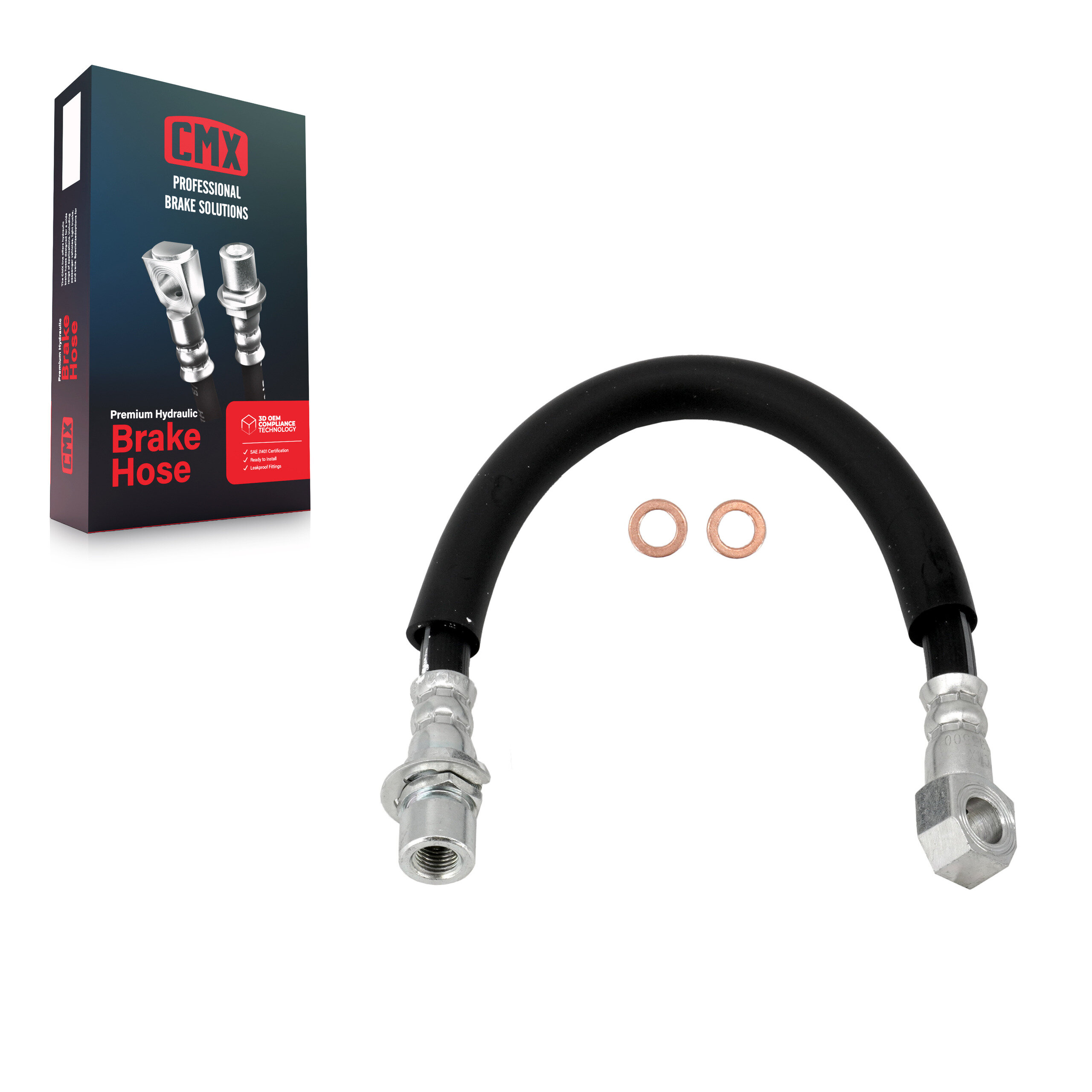
 Standard/OE
In stock
$11.15
5 items in stock
Quality For FREE Shipping
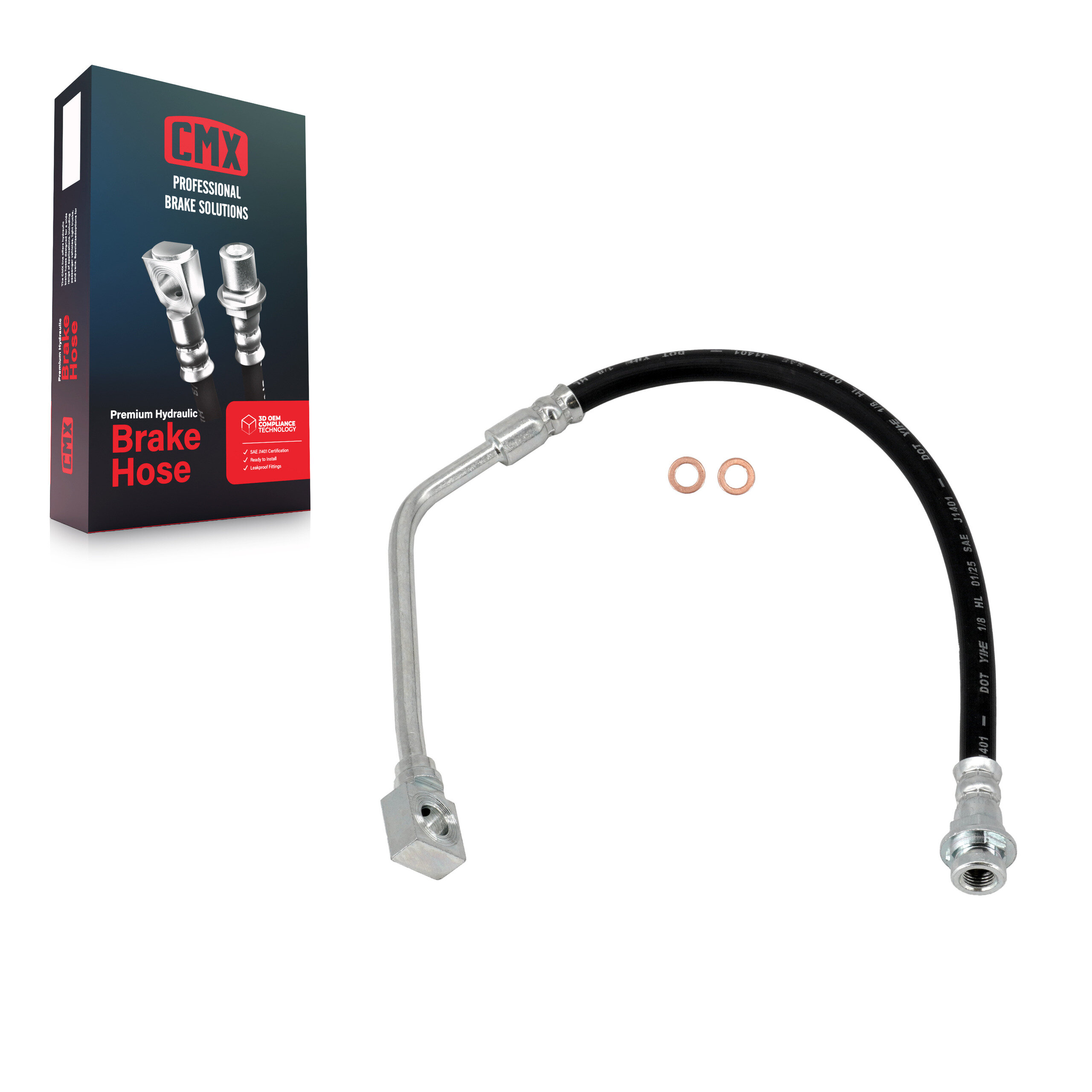
12-H380280• Front• Brake Hydraulic Hose
Add Vehicle to Confirm Fitment
Select your vehicle to see compatible products and accurate pricing

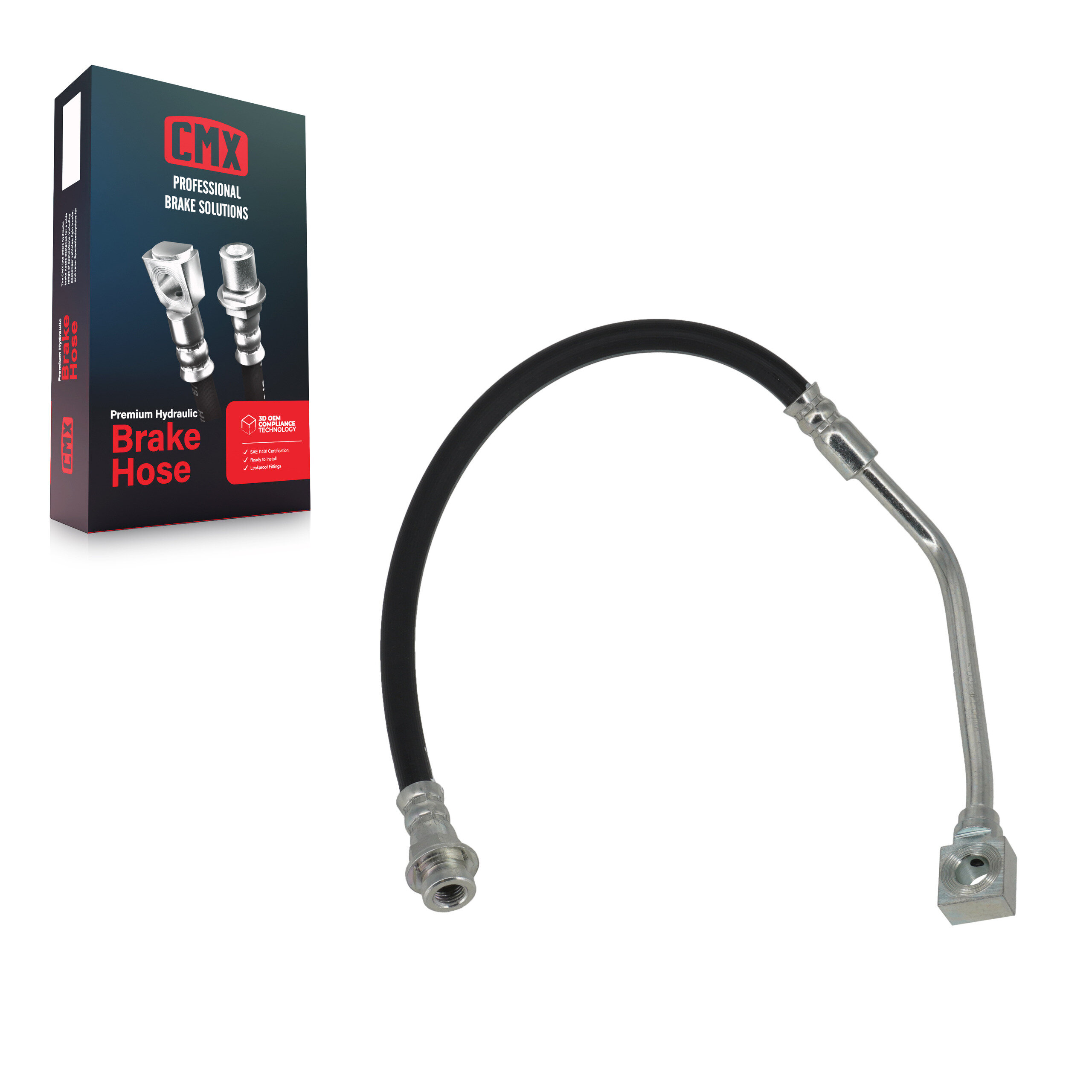
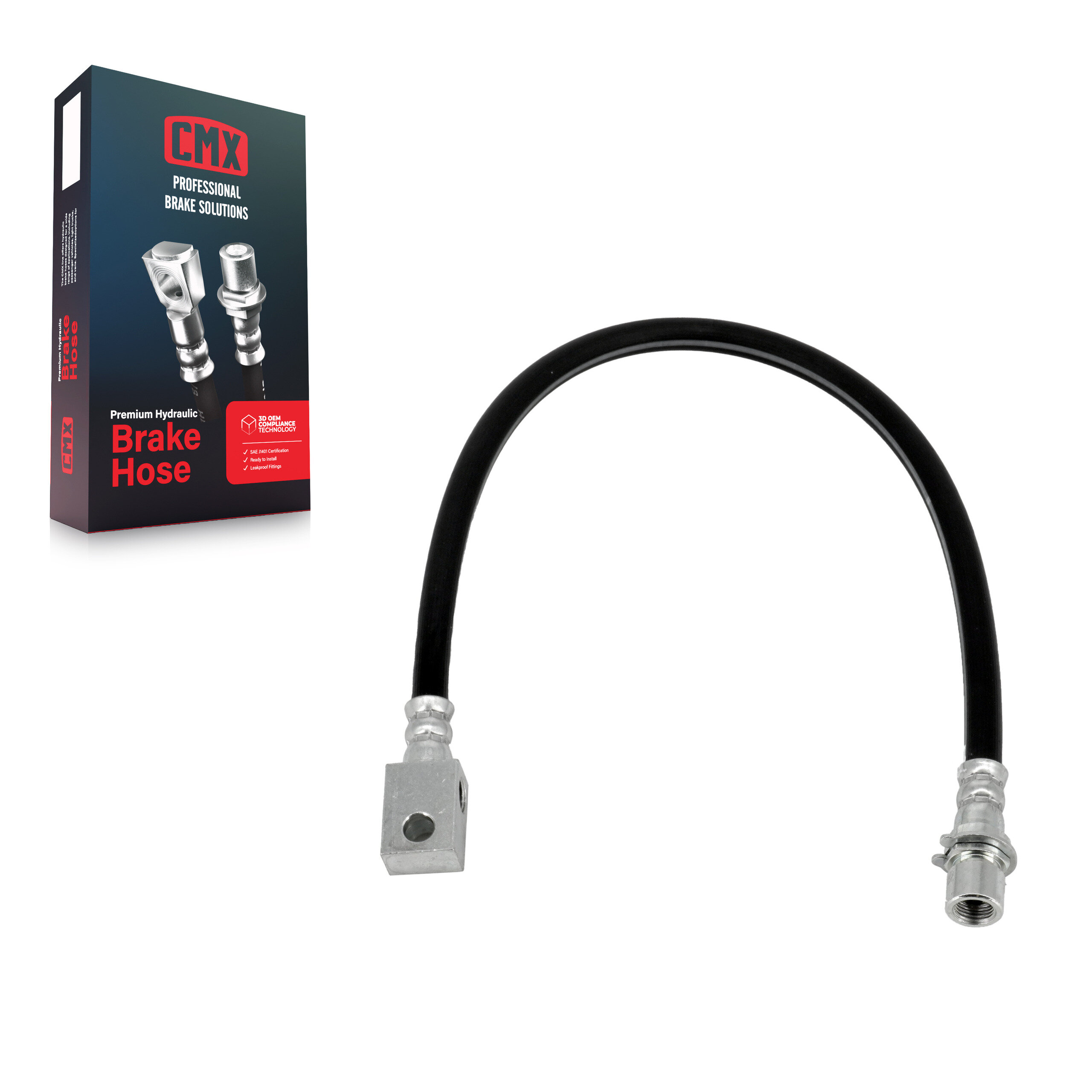
GeoBrakes carries OEM-grade brake hydraulic hoses confirmed to fit the Chevrolet Blazer, the critical flexible lines that carry brake fluid from the Blazer rigid steel brake lines to the calipers and wheel cylinders at each corner. Every Chevrolet Blazer hose is direct-fit, pressure-rated to OEM specification.
Standard/OE$11.15
5 items in stock
Select your vehicle to see compatible products and accurate pricing
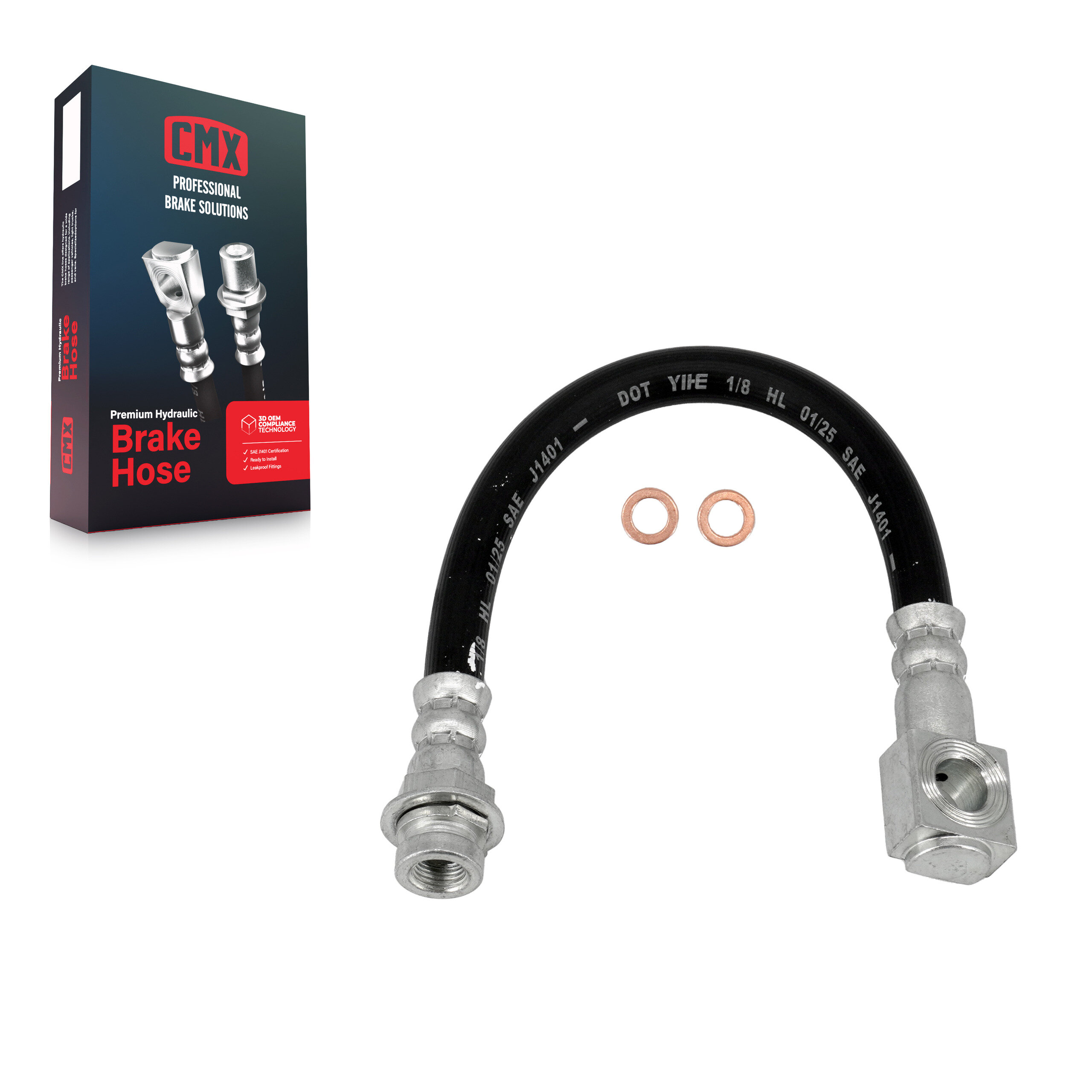 Standard/OE
$13.85
10 items in stock
Select your vehicle to see compatible products and accurate pricing
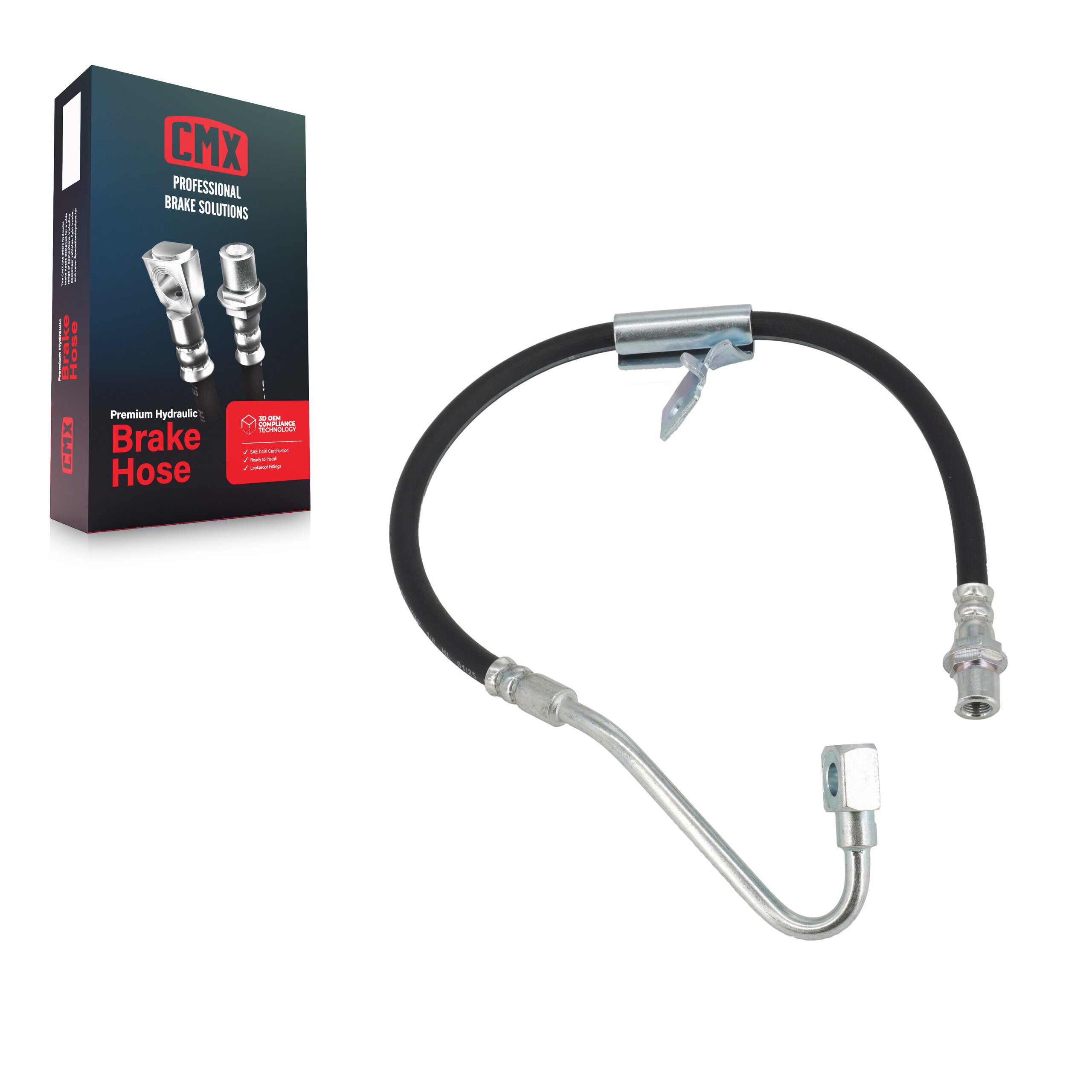 Standard/OE
$20.00
10 items in stock
Select your vehicle to see compatible products and accurate pricing
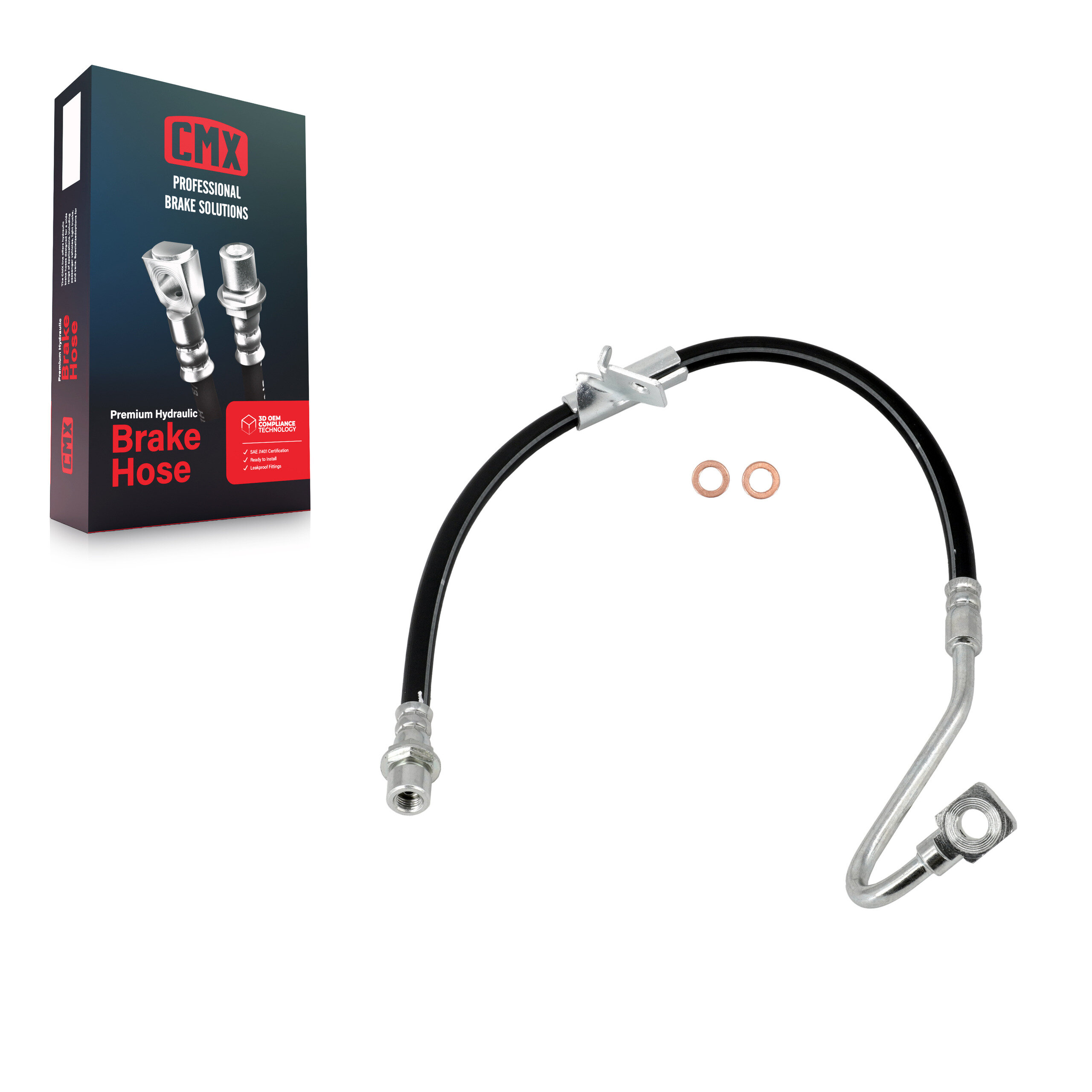 Standard/OE
$20.00
10 items in stock
Select your vehicle to see compatible products and accurate pricing
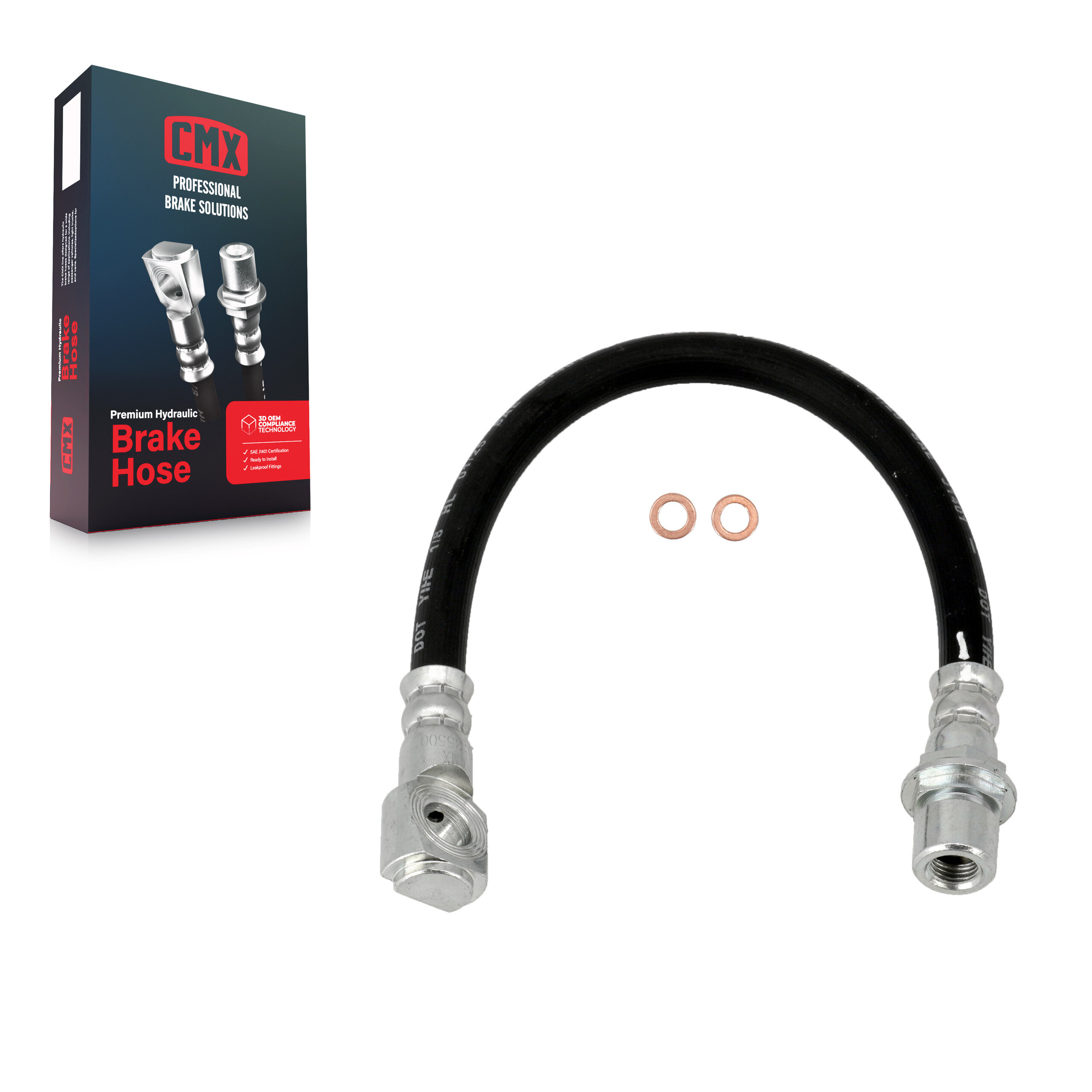 Standard/OE
$13.70
10 items in stock
Select your vehicle to see compatible products and accurate pricing
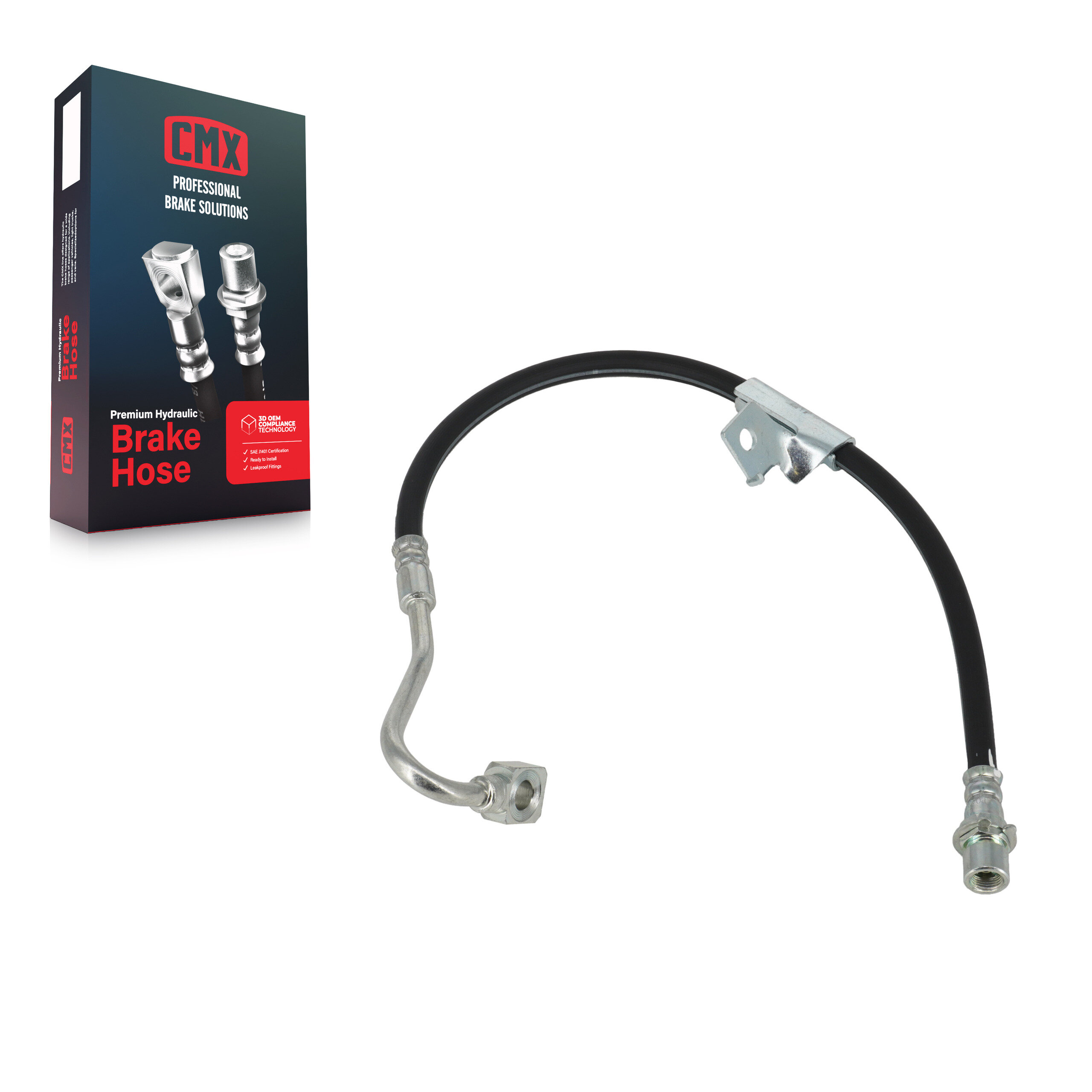 Standard/OE
$22.24
10 items in stock
Select your vehicle to see compatible products and accurate pricing
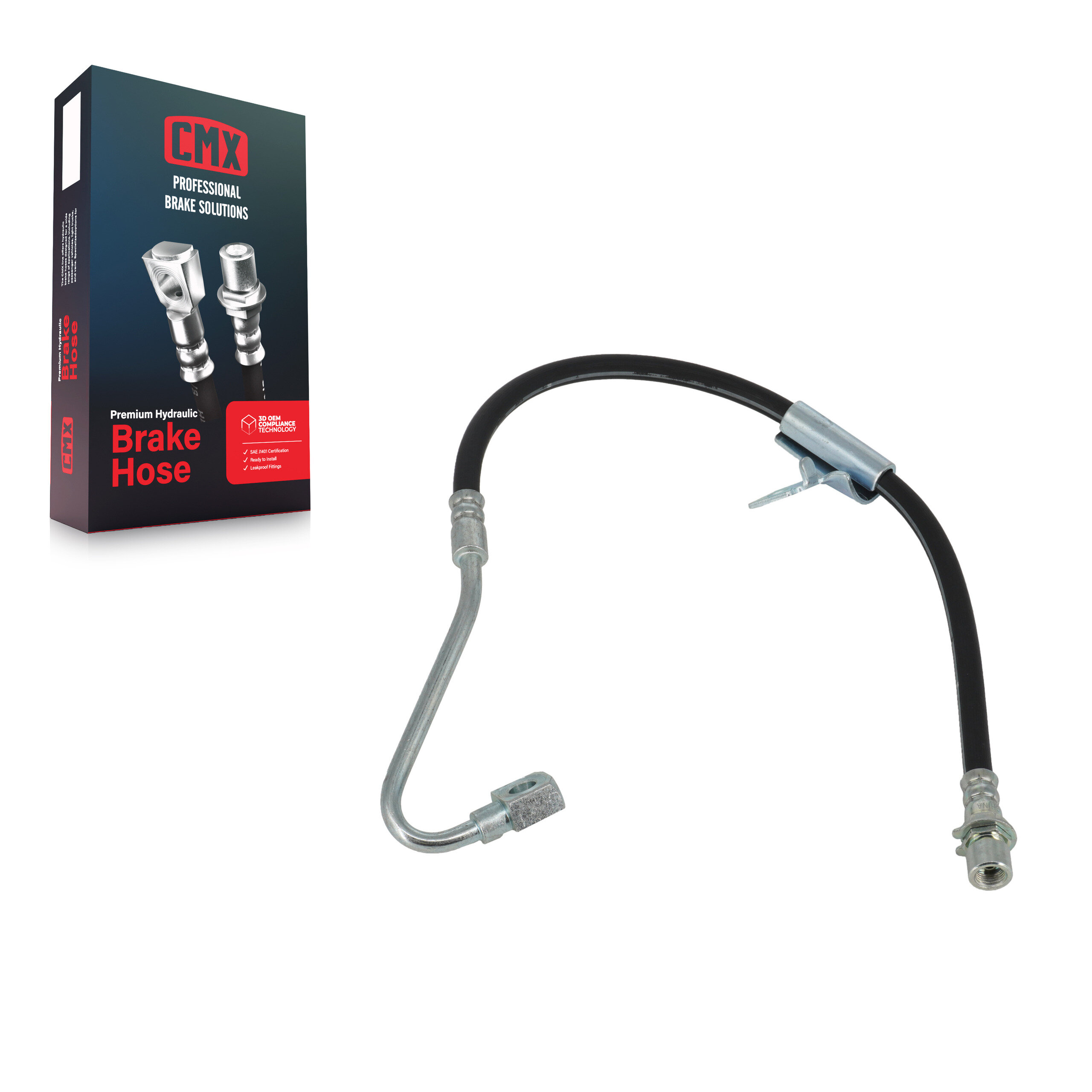 Standard/OE
$22.24
10 items in stock
Select your vehicle to see compatible products and accurate pricing
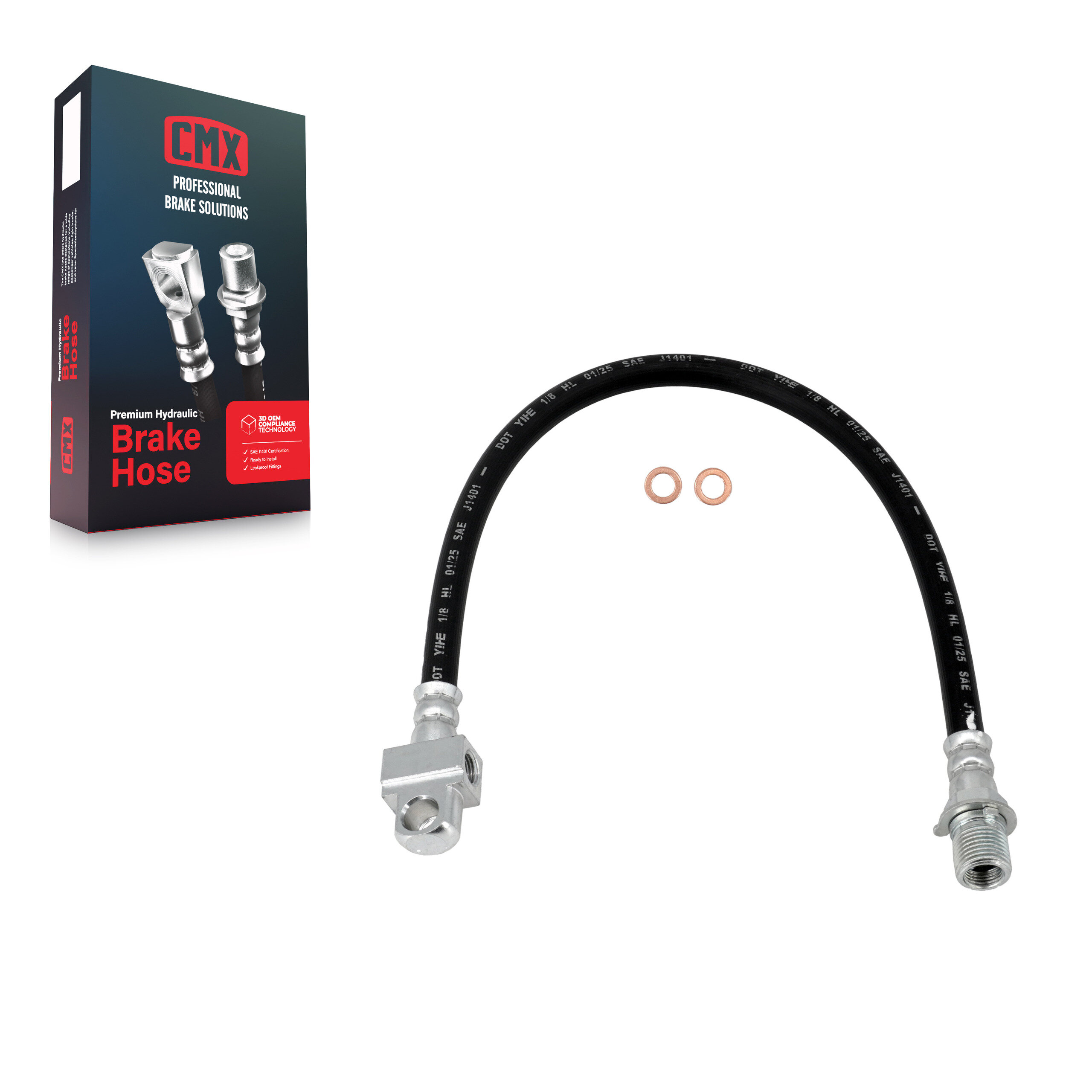 Standard/OE
$16.06
10 items in stock
Select your vehicle to see compatible products and accurate pricing
 Standard/OE
$16.08
10 items in stock
Select your vehicle to see compatible products and accurate pricing
 Standard/OE
$16.08
10 items in stock
Select your vehicle to see compatible products and accurate pricing
 Standard/OE
$13.94
10 items in stock
Select your vehicle to see compatible products and accurate pricing
Brake hydraulic hoses on the Chevrolet Blazer are the flexible bridge between your Blazer rigid steel brake lines and the moving brake assemblies at each wheel. They flex with every suspension stroke and steering input on your Chevrolet Blazer, delivering the hydraulic pressure that actuates your brakes on every stop. Because they are exposed to road salt, heat cycles, and the physical stresses of Blazer suspension movement, brake hoses deteriorate from the inside out on the Chevrolet Blazer, and a failed hose can cause partial or complete loss of braking at that wheel.
American roads subject Chevrolet Blazer brake hoses to a combination of stresses that accelerate deterioration beyond what most service intervals account for. Road salt splashes directly onto Blazer hose end fittings and corrodes the metal crimps that seal the hose to the brake line. Repeated freeze-thaw cycles stress the Blazer hose rubber compound from the outside, while brake fluid moisture absorption attacks the inner reinforcement layer from within.
Brake hoses for the Chevrolet Blazer are among the most vehicle-specific brake parts. Length, end fitting type, mounting bracket position, and inner diameter are all determined by the Blazer brake system design. Our vehicle selector ensures you receive a hose with the correct dimensions and fitting geometry for the Chevrolet Blazer, not a universal-fit compromise. Every Blazer hose meets OEM hydraulic pressure rating and flexibility specifications, with corrosion-resistant end fittings suited to American road salt exposure.
How often should brake hoses be replaced on a Chevrolet Blazer?
In US, where road salt exposure on the Chevrolet Blazer is heavy, inspect Blazer hoses annually and replace at the first sign of surface cracking, bulging, or corrosion at the end fittings, or every 100,000 kilometres.
Can a damaged brake hose on my Chevrolet Blazer cause brake drag?
Yes. A Blazer hose that has deteriorated internally can collapse under pressure, allowing fluid to flow to the caliper when you brake but restricting the return flow when you release the pedal. This keeps the Chevrolet Blazer caliper partially engaged, causing brake drag, rapid pad and rotor wear, and heat buildup.
Should I replace brake hoses on my Chevrolet Blazer in pairs?
It is recommended to replace Chevrolet Blazer brake hoses as an axle pair. If one hose has reached the point of replacement, the hose on the opposite side of your Blazer has been exposed to the same conditions for the same period and is at a similar stage of deterioration.