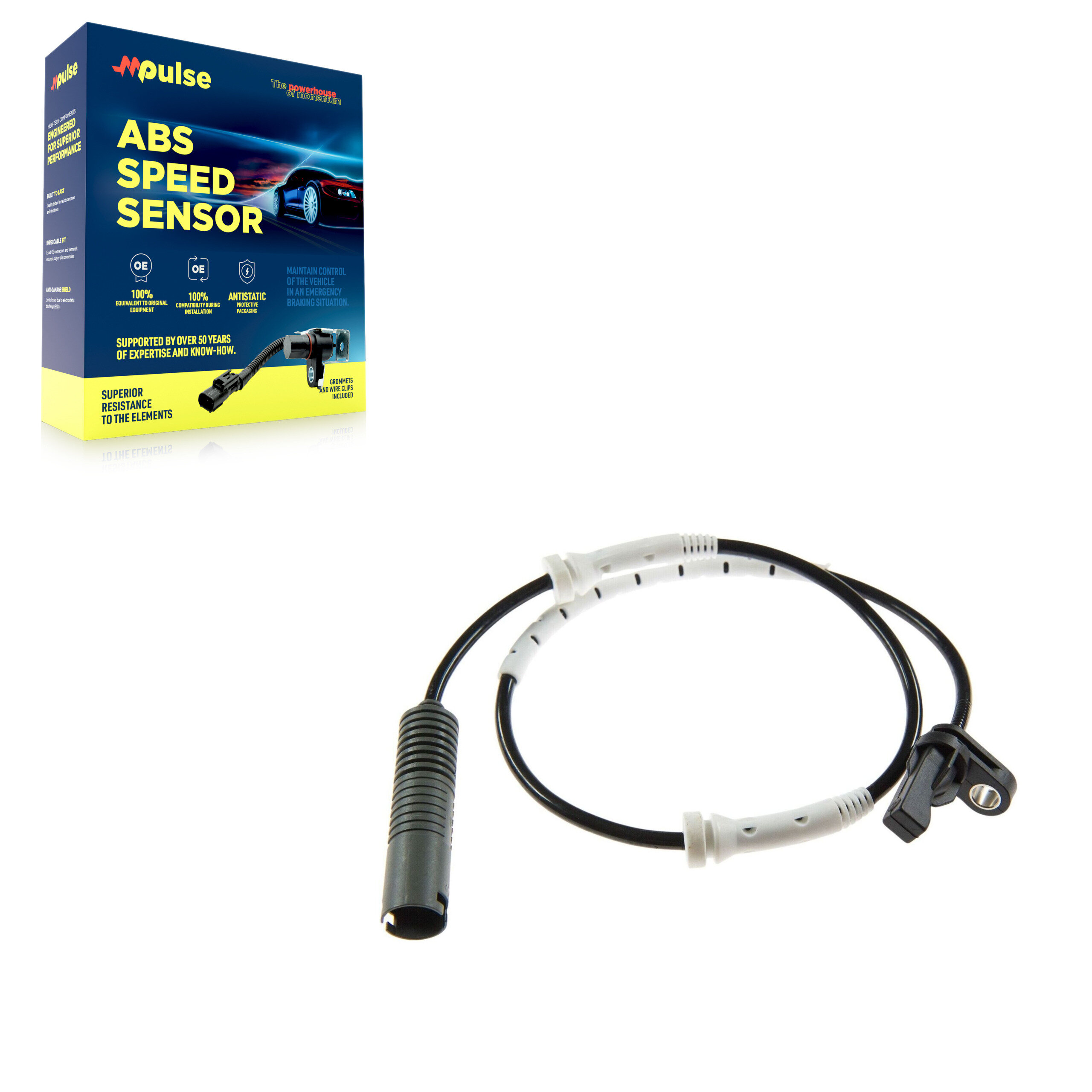
 Standard/OE
In stock
$73.09
10 items in stock
Quality For FREE Shipping
SEN-2ABS0099• Front• ABS Wheel Speed Sensor
Add Vehicle to Confirm Fitment
Select your vehicle to see compatible products and accurate pricing

GeoBrakes stocks a complete range of passive and active ABS wheel speed sensors confirmed to fit the Bmw 135i, each sourced to OEM specifications for direct-fit installation and reliable ABS performance on your 135i. Every Bmw 135i sensor is compatible with traction control and stability control systems.
Standard/OE$73.09
10 items in stock
Select your vehicle to see compatible products and accurate pricing
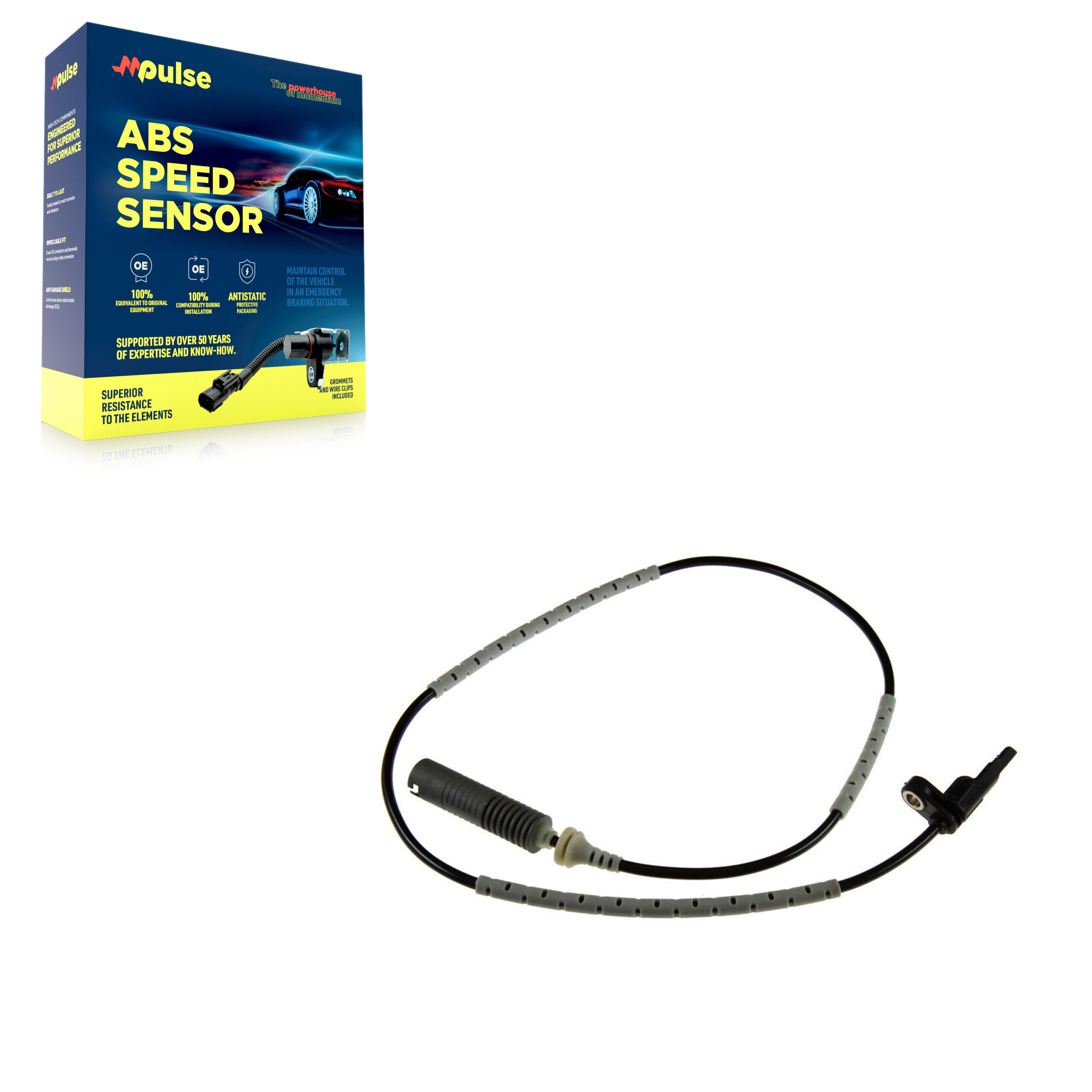 Standard/OE
$77.66
10 items in stock
Select your vehicle to see compatible products and accurate pricing
Your Bmw 135i ABS wheel speed sensor is the component that makes anti-lock braking possible on your 135i. It monitors the rotational speed of each wheel in real time and sends that data to the Bmw 135i ABS control module, which uses it to prevent wheel lockup during emergency stops. When a sensor fails on your 135i, your ABS loses the input it needs. On wet, icy, or gravel road surfaces, the difference between a controlled stop and a skid can come down to whether your Bmw 135i wheel speed data is reaching the module.
The ABS wheel speed sensor on the Bmw 135i is an electromagnetic or Hall-effect sensor mounted near each wheel hub or bearing assembly of your 135i. It generates an electronic signal as a toothed reluctor ring rotates past it, producing a frequency the 135i ABS module interprets as wheel speed. On most modern Bmw 135i vehicles, this same data feeds the traction control system, electronic stability control, and electronic brake force distribution, making a functioning wheel speed sensor critical to the safe operation of multiple 135i systems simultaneously.
GeoBrakes stocks both passive and active ABS wheel speed sensors for the Bmw 135i. Passive sensors use an analog signal and are found on older 135i vehicles and many trucks still in service. Active Hall-effect sensors require a small power supply and output a clean digital signal, offering greater accuracy at very low speeds. Active sensors are standard on most Bmw 135i vehicles manufactured after the mid-2000s and are required for full compatibility with modern 135i traction and stability control systems.
Signal accuracy matters as much as fitment with Bmw 135i wheel speed sensors. A sensor that generates the correct frequency for your 135i ABS module ensures consistent ABS calibration, proper traction control thresholds, and accurate stability control response on your Bmw 135i. Every sensor in the GeoBrakes catalogue is matched to the Bmw 135i through our vehicle selector, with front and rear positions listed separately to eliminate position errors on your 135i.
Can I drive my Bmw 135i with a faulty ABS wheel speed sensor?
You can drive the Bmw 135i with a failed ABS sensor, but the anti-lock braking system on your 135i will be completely disabled. On icy or wet American roads, this significantly increases stopping distances and the risk of losing steering control during hard braking on your Bmw 135i. Replacing a failed sensor promptly is strongly recommended, particularly before winter.
How do I find the right ABS sensor for my Bmw 135i?
Use the GeoBrakes vehicle selector and enter the Bmw 135i year, make, and model. The system displays only the sensors confirmed to fit the Bmw 135i, with front and rear positions listed separately. Select the position matching the sensor you are replacing on your 135i to avoid receiving the wrong unit.
Do I need to replace all four ABS sensors on my Bmw 135i at the same time?
No. ABS wheel speed sensors on the Bmw 135i are independent components and only the failed unit needs to be replaced. However, if your 135i has high mileage and one sensor has failed, it is worth visually inspecting the connectors on the other Bmw 135i sensors for corrosion while the wheel is removed.